BRICS-STARS 2026 Successfully Held in Beijing
The BRICS-Synchrotron Technology and Applications Research School (“BRICS‑STARS 2026”) was successfully held at the campus of the High Energy Photon Source (HEPS) of the Institute of High Energy Physics of the Chinese Academy of Sciences (IHEP, CAS) in Huairou, Beijing, from September 13 to 20. Young researchers, 19 from overseas and 11 from China, from large scientific facilities and institutions across BRICS countries, including the Sirius in Brazil, African Light Source (planning), Siberian Circular Photon Source (SKIF) synchrotron light source in Russia, the Kurchatov Institute, and the Siam Photon Source (SPS) in Thailand, gathered to exchange knowledge with the HEPS team for fourth‑generation synchrotron radiation sources. The school helped participants advance professional skills and broaden research horizons.
Featuring deep integration of theoretical lectures and hands‑on practices, the school brought together 23 instructors, including Prof. Harry Westfahl Junior, Director of the Sirius, Prof. Yoshiharu Sakurai from the SPring-8 in Japan, HEPS scientists and engineers. The curriculum covered an overview of synchrotron radiation, accelerator technologies for fourth‑generation light sources, experimental methods for fourth‑generation facilities, X‑ray optics, beamline optomechanical instrumentation, beamline software, and data management. The six‑day practical sessions were carried out at 14 beamlines including the Microfocusing x-ray protein crystallography beamline, Engineering Materials Beamline, Hard X‑ray Imaging Beamline and High‑Pressure Beamline, alongside five laboratories for ID magnetic measurement and optical metrology, optomechanical system and optical element fabrication. Each trainee completed a minimum of four practical training modules. They experienced the outstanding performance of HEPS high‑energy, high‑brightness and highly coherent X‑rays and performed experiments together with data analysis.
At the closing ceremony on September 20, representatives from BRICS synchrotron facilities summarized the outcomes of this BRICS school and discussed ways to better organize the next edition. They also explored the significance and approaches for synchrotron radiation platforms to expand the scientific frontiers of BRICS nations and deepen international collaboration. The BRICS school concluded successfully with the presentation of certificates of completion.
During the school, participants also toured the HEPS storage ring and data center, as well as the Synergetic Extreme Condition User Facility (SECUF) at the Institute of Physics of CAS, gaining deeper insights into the construction and operation of China’s national major science and technology infrastructure in Huairou Science City.
Supported by dedicated funds from the Chinese Academy of Sciences and hosted by HEPS, BRICS-STARS 2026 also received sponsorship from industrial partners Jinan Hanjiang Optoelectronic Technology Co., Ltd., National Innovation Scientific Instruments, ND (Shandong) Intelligent Equipment Co., Ltd. and Qingdao U-Win Precision Instrument Co., Ltd.. The school aims to cultivate young researchers with global vision and hands‑on capabilities, building a solid talent support for the operation and application of large scientific facilities. It further advances multilateral cooperation on synchrotron radiation technologies under the BRICS framework and promotes their development across BRICS nations.
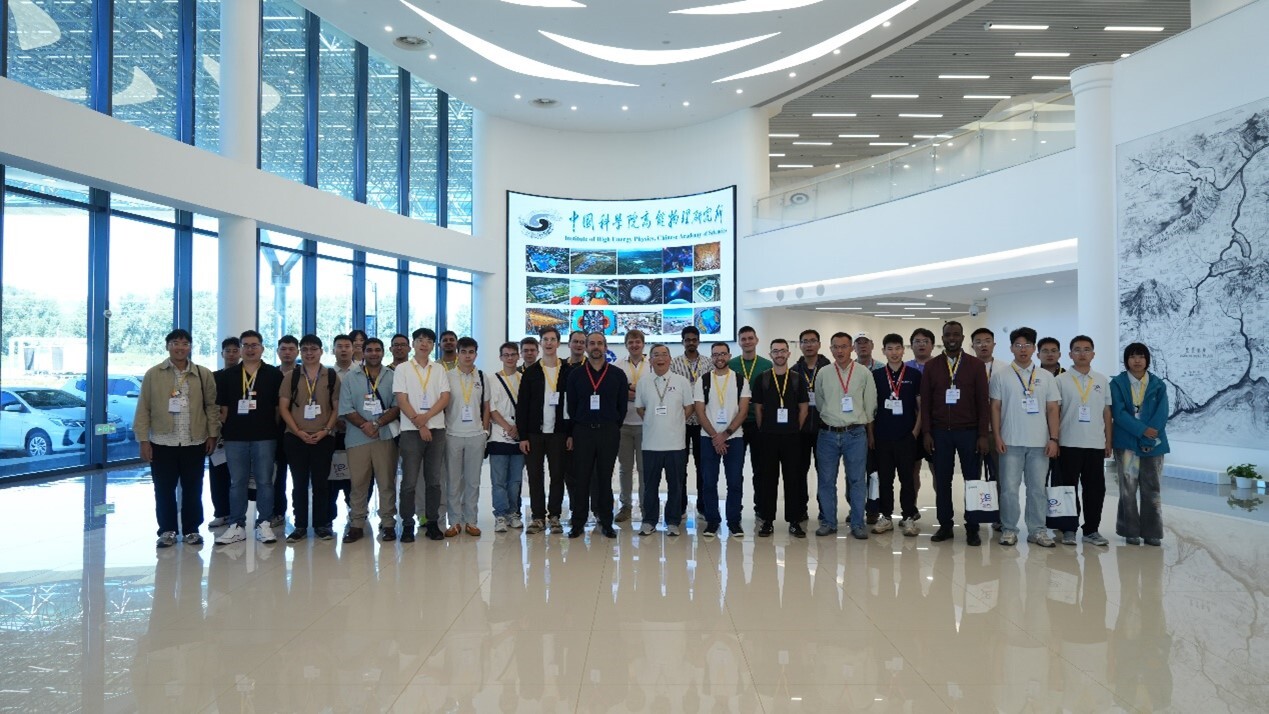
BRICS-STARS 2026 Successfully Held in Beijing from Sept. 13-20, 2026. (Credit: IHEP)
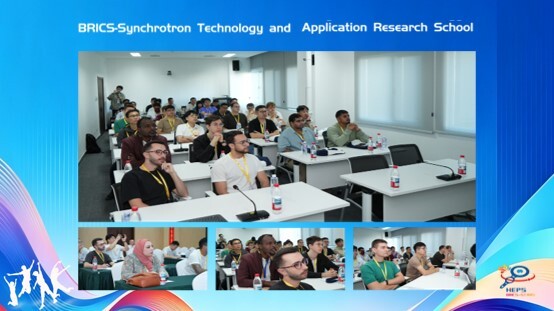
Young researchers from 8 BRICS Countries gathered to exchange knowledge with the HEPS team for fourth‑generation synchrotron radiation sources. (Credit: IHEP)
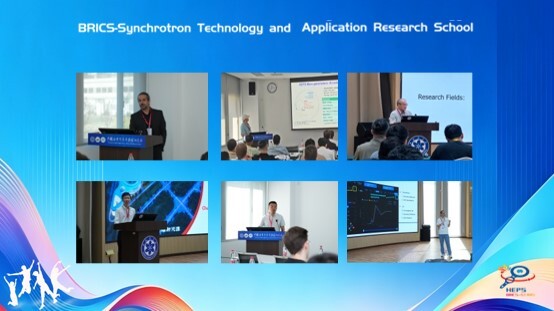
The school brought together 23 instructors, including Prof. Harry Westfahl Junior, Director of the Sirius, and Prof. Yoshiharu Sakurai from the SPring-8 in Japan, HEPS scientists and engineers. (Credit: IHEP)
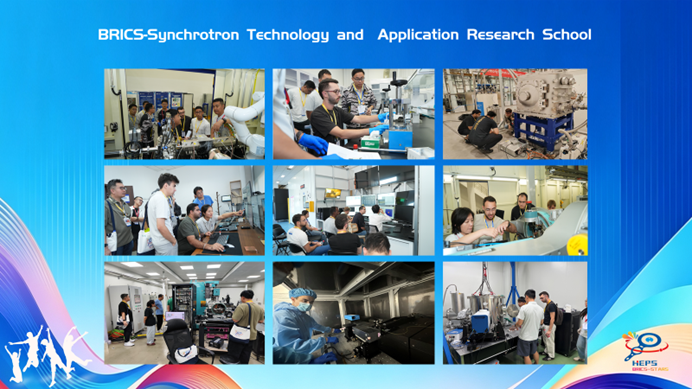
The practical sessions, 21 practices, were carried out at 14 beamlines including the Microfocusing x-ray protein crystallography beamline, Engineering Materials Beamline, Hard X‑ray Imaging Beamline and High‑Pressure Beamline, alongside five laboratories for ID magnetic measurement and optical metrology. (Credit: IHEP)
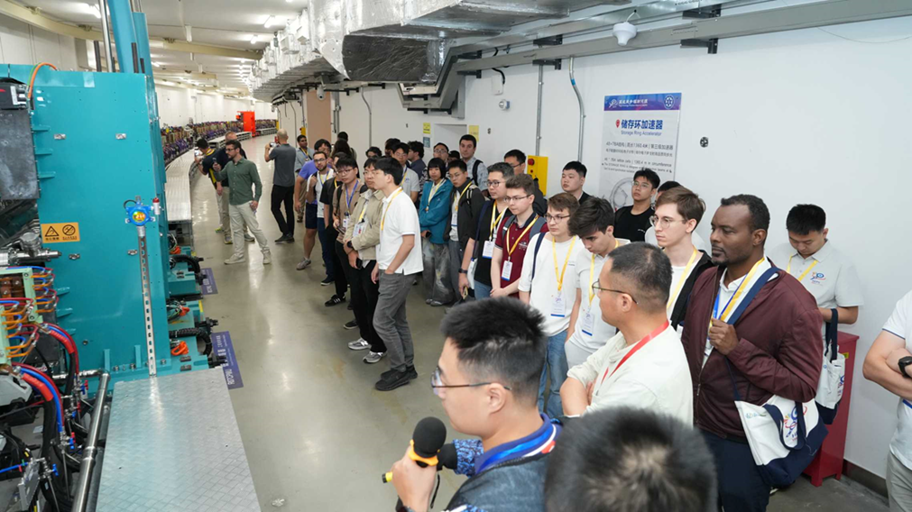
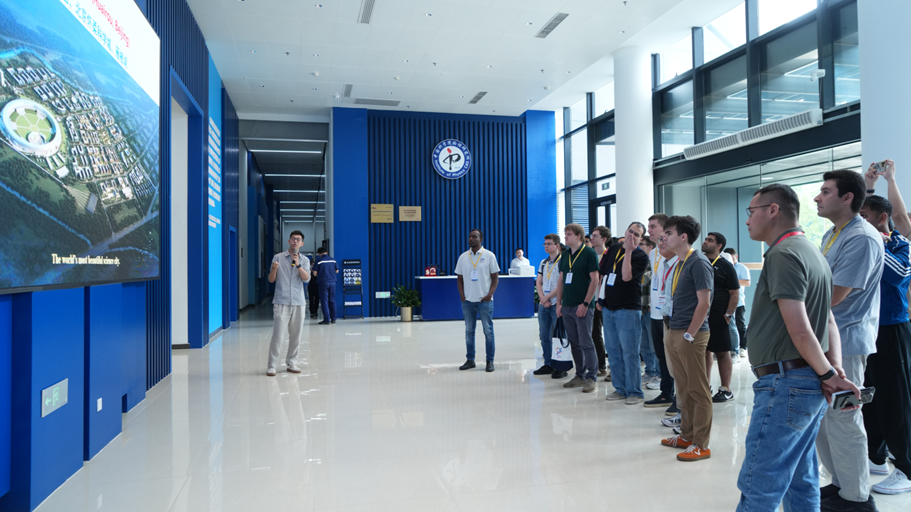
During the school, participants also toured the HEPS storage ring and data center, as well as the Synergetic Extreme Condition User Facility (SECUF) at the Institute of Physics, CAS. (Credit: IHEP)